

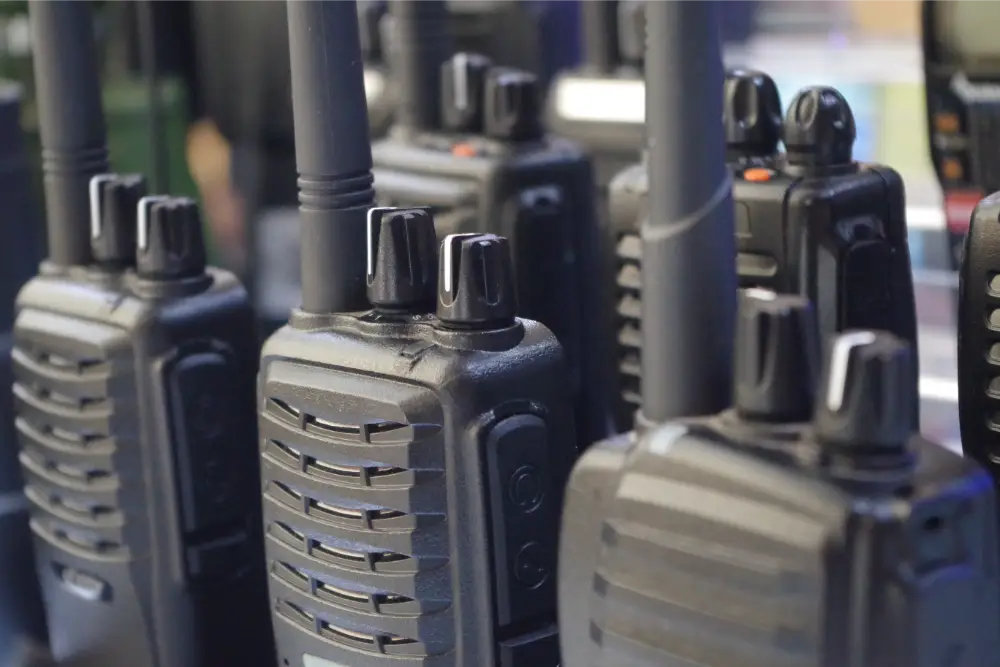
When communication matters most, reliability often matters more than convenience. While smartphones have become part of everyday life, they aren’t always the best tool during emergencies, remote work, or situations where network congestion can leave users without dependable communication. In and around Fort Collins, businesses, public safety organizations, construction crews, schools, and industrial facilities continue to rely on two-way radios because they deliver fast, dependable communication when every second counts.
Understanding the differences between two-way radios and cell phones can help organizations choose the right communication solution for their daily operations and emergency preparedness.
Quick Answer
Two-way radios outperform cell phones in critical situations because they provide instant push-to-talk communication, operate without relying on commercial cellular networks, offer greater durability, and allow teams to communicate simultaneously. During emergencies, severe weather, remote operations, or network outages, properly designed radio systems often remain one of the most dependable communication tools available.
What Local Readers Should Know
-
Two-way radios provide immediate group communication without dialing numbers or waiting for calls to connect.
-
Cellular networks can become overloaded during emergencies, while dedicated radio systems continue operating within their designed coverage area.
-
Fort Collins businesses operating in construction, manufacturing, utilities, education, and public events often benefit from reliable push-to-talk communication.
-
Northern Colorado’s changing weather and varied terrain can make dependable communication especially valuable for outdoor crews and field operations.
-
Choosing the right radio system depends on your coverage needs, industry requirements, and operational environment.
Why This Matters Locally
Fort Collins combines a growing urban center with nearby agricultural operations, industrial facilities, educational institutions, and access to the foothills of the Rocky Mountains. Organizations throughout Larimer County often work across large campuses, construction sites, warehouses, parks, and outdoor job sites where dependable communication supports both productivity and safety.
Properties throughout Loveland, Windsor, Timnath, Wellington, and surrounding communities also face situations where cellular coverage may vary depending on building construction, terrain, or temporary network congestion during large public events.
At Collins Communications Company, we help businesses throughout Northern Colorado implement communication systems designed to keep teams connected when reliability matters most.
Local Data and Field Observations
According to the Federal Communications Commission, wireless networks can experience congestion during emergencies or major public events when large numbers of people attempt to use cellular services simultaneously.
From our field experience, organizations that depend on immediate team coordination often value two-way radio systems because they provide:
-
Instant push-to-talk communication
-
Reliable group coordination
-
Consistent coverage across large facilities
-
Durable equipment built for demanding environments
-
Clear communication without relying on public cellular infrastructure
The specific solution varies depending on the size of the property, operational needs, and desired coverage area.
Local Impact
Reliable communication directly affects safety, efficiency, and response time.
Construction supervisors coordinating multiple crews, school administrators managing campus operations, warehouse managers directing logistics, and event coordinators overseeing large venues all benefit from communication that reaches an entire team immediately.
When communication delays occur, projects may slow down, response times increase, and coordination becomes more difficult. Dependable radio systems help reduce those interruptions.
Warning Signs Your Organization May Need Two-Way Radios
Consider upgrading your communication system if you experience:
-
Missed phone calls during busy workdays
-
Delays while dialing multiple team members
-
Poor cellular reception inside buildings
-
Frequent communication during coordinated tasks
-
Employees working across large properties
-
Outdoor crews operating in remote areas
-
Safety concerns requiring immediate group communication
-
Dependence on communication during severe weather or emergencies
These challenges often indicate that push-to-talk communication may improve operational efficiency.
When to Consult a Communications Professional
Small teams with limited communication needs may find cell phones sufficient for routine operations.
Professional guidance becomes valuable when:
-
Multiple departments require constant communication
-
Facilities have coverage challenges
-
Operations involve safety-sensitive work
-
Teams work across multiple buildings or campuses
-
Emergency preparedness is a priority
-
Existing communication systems are becoming unreliable
A communications assessment can identify the equipment and coverage that best fits your organization’s needs.
Common Reasons Two-Way Radios Outperform Cell Phones
1. Instant Push-to-Talk Communication
Instead of dialing, waiting for ringing, and answering, users simply press a button to communicate immediately. This saves valuable time during urgent situations.
2. Group Communication
One transmission reaches an entire team at once. Cell phones typically require multiple individual calls or group messaging, which takes longer and may delay important information.
3. Greater Reliability During Emergencies
Commercial cellular networks may become congested during natural disasters, large public gatherings, or widespread emergencies. Dedicated radio systems continue operating within their designed coverage capabilities.
4. Rugged Equipment
Many professional-grade radios are designed to withstand dust, moisture, vibration, and impacts that would damage many consumer smartphones.
5. Longer Battery Performance
Many two-way radios provide extended operating time during full work shifts, making them well suited for field crews and emergency operations.
Prevention and Communication Planning
Organizations can improve communication reliability by:
-
Evaluating coverage throughout the property
-
Testing communication equipment regularly
-
Training employees on proper radio procedures
-
Maintaining spare batteries and charging stations
-
Scheduling routine equipment inspections
-
Updating aging communication systems when necessary
-
Reviewing emergency communication plans annually
-
Ensuring radios are programmed appropriately for operational needs
Planning ahead helps organizations avoid communication failures when they matter most.
Expected Results
With a properly designed two-way radio system, organizations can typically expect:
-
Faster communication between team members
-
Improved operational coordination
-
Better emergency response capability
-
Increased workplace efficiency
-
More dependable communication across facilities
-
Reduced dependence on commercial cellular networks
The exact results depend on system design, equipment selection, and operational requirements.
Common Mistakes
Assuming Cell Phones Are Always Enough
Smartphones work well for many everyday tasks but may not provide the immediate group communication required for fast-paced operations.
Buying Consumer Radios for Commercial Use
Entry-level radios often lack the durability, range, and features required for demanding business environments.
Ignoring Coverage Challenges
Large buildings, metal structures, and varied terrain can affect communication. Professional system planning helps ensure dependable coverage.
Skipping Employee Training
Even the best communication system performs better when users understand proper radio etiquette and operating procedures.
Waiting Until an Emergency
Installing and testing communication systems before they’re needed helps organizations avoid unexpected problems during critical events.
Common Local Scenario
A construction company managing projects across Fort Collins and neighboring communities uses cell phones for daily coordination. As projects grow larger, supervisors spend valuable time making individual calls while workers miss important updates because they are operating equipment.
After implementing a properly designed two-way radio system, supervisors can communicate instantly with entire crews, improving coordination, reducing delays, and enhancing job site safety.
This type of communication improvement is common for organizations managing multiple personnel across active work environments.
Related Communication Solutions
Depending on your organization’s needs, communication improvements may include:
-
Business two-way radio systems
-
Digital radio solutions
-
Repeaters and expanded coverage systems
-
Public safety communications
-
School communication systems
-
Industrial communications
-
Fleet communications
-
Radio programming and maintenance
Comparing Your Options
| Option | Advantages | Limitations |
|---|---|---|
| Cell Phones | Familiar and versatile | Dependent on commercial cellular networks and individual calling |
| Two-Way Radios | Instant group communication and reliable operation | Best suited for operational communication rather than personal conversations |
| Hybrid Communication Strategy | Combines strengths of both technologies | Requires planning and system integration |
| Professionally Designed Radio System | Optimized coverage and communication efficiency | Initial equipment investment varies by system size |
Service Areas
We proudly serve organizations throughout Fort Collins, Loveland, Windsor, Timnath, Wellington, Greeley, Estes Park, and surrounding communities across Larimer County and Northern Colorado.
Our experience with local industries and operating environments allows us to recommend communication solutions tailored to the region’s unique needs.
Cost of Ignoring the Issue
Communication delays can lead to reduced productivity, slower emergency response, missed instructions, and operational inefficiencies. Organizations that rely solely on cellular communication may also face challenges during network congestion or coverage interruptions.
Investing in reliable communication helps support safety, coordination, and business continuity.
Frequently Asked Questions
Are two-way radios still widely used in Fort Collins businesses?
Yes. Many organizations throughout Fort Collins continue using two-way radios because they provide immediate, dependable communication for construction, education, manufacturing, healthcare, hospitality, and facility management.
Do two-way radios work if cell service goes down?
Yes. Most two-way radio systems operate independently of commercial cellular networks, allowing communication within their designed coverage area even when cellular service is unavailable.
Are two-way radios better than cell phones during emergencies?
Yes. For team coordination, two-way radios often provide faster communication because users can instantly reach multiple people with a single transmission.
Can two-way radios be used across large facilities in Larimer County?
Yes. Coverage depends on system design, building construction, terrain, and equipment selection. Professional planning helps ensure reliable communication throughout the intended service area.
Do businesses in Northern Colorado still invest in radio systems?
Yes. Organizations that require dependable, real-time communication continue investing in modern digital radio systems to improve efficiency and emergency preparedness.
Are digital two-way radios difficult to use?
No. Most professional radios are designed for simple push-to-talk operation, making them easy for employees to learn and use.
Can radios improve workplace safety?
Yes. Immediate communication helps employees report hazards, coordinate responses, and quickly notify supervisors when situations require attention.
Should my organization replace cell phones completely?
Not necessarily. Many businesses use both technologies together, relying on two-way radios for operational communication and cell phones for external communication.
Keep Your Team Connected When It Matters Most
Reliable communication supports safer operations, faster decision-making, and better coordination every day. While smartphones remain valuable tools, two-way radios continue proving their value whenever immediate, dependable communication is essential.
Build a Communication System You Can Count On
Whether you’re upgrading an aging radio system or exploring communication options for the first time, we’re here to help you find a solution that fits your organization’s needs throughout Fort Collins and Northern Colorado.